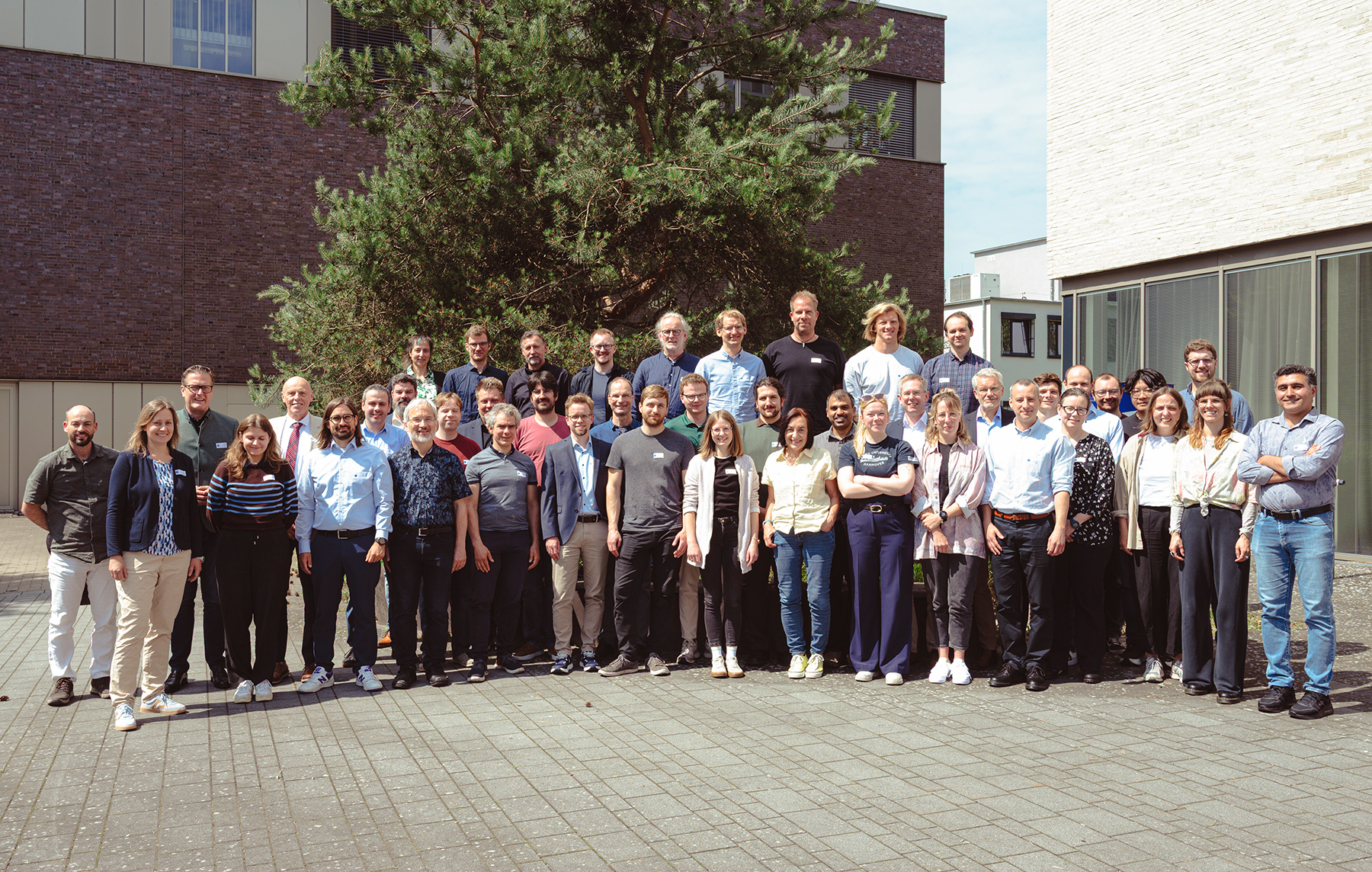

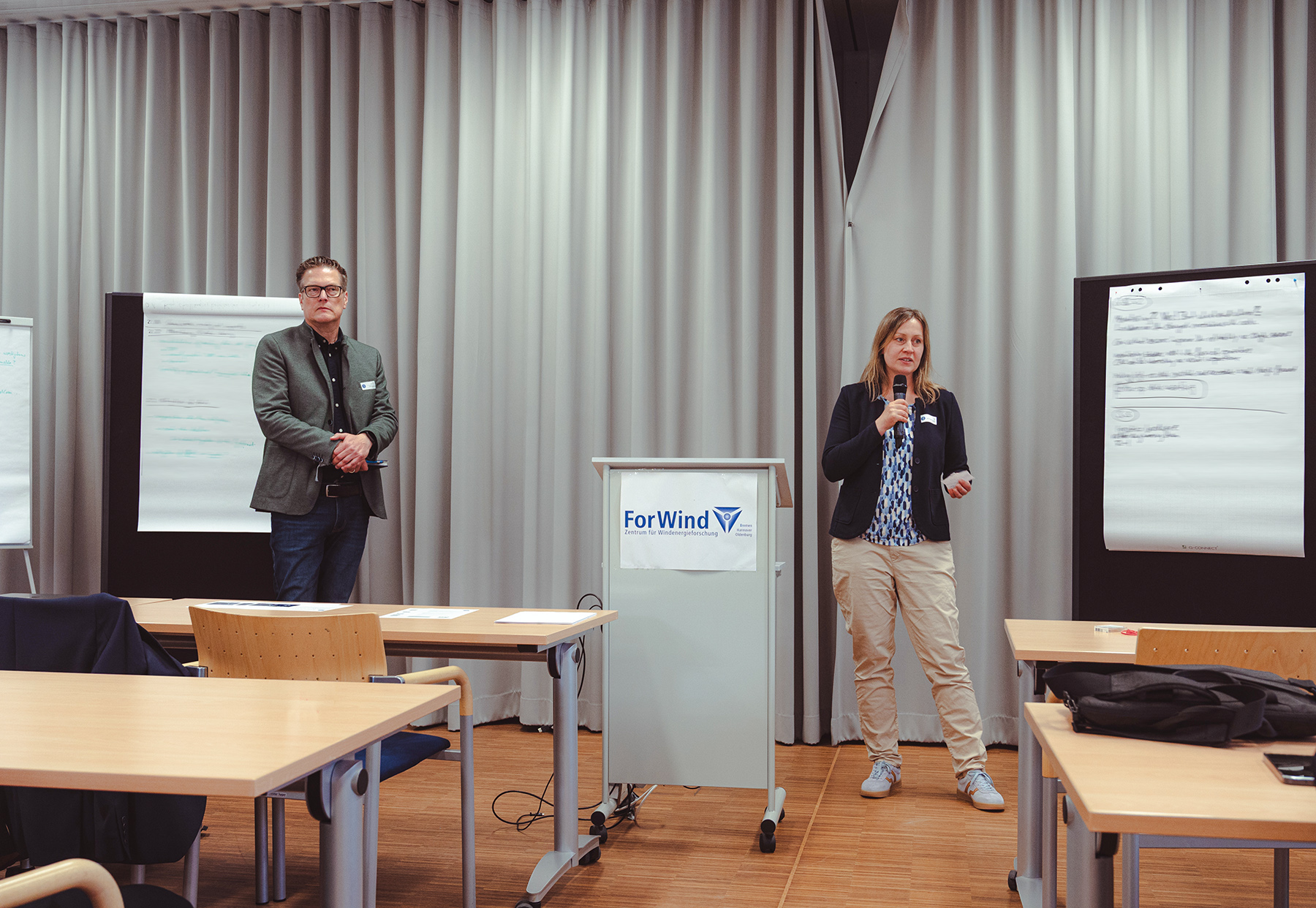
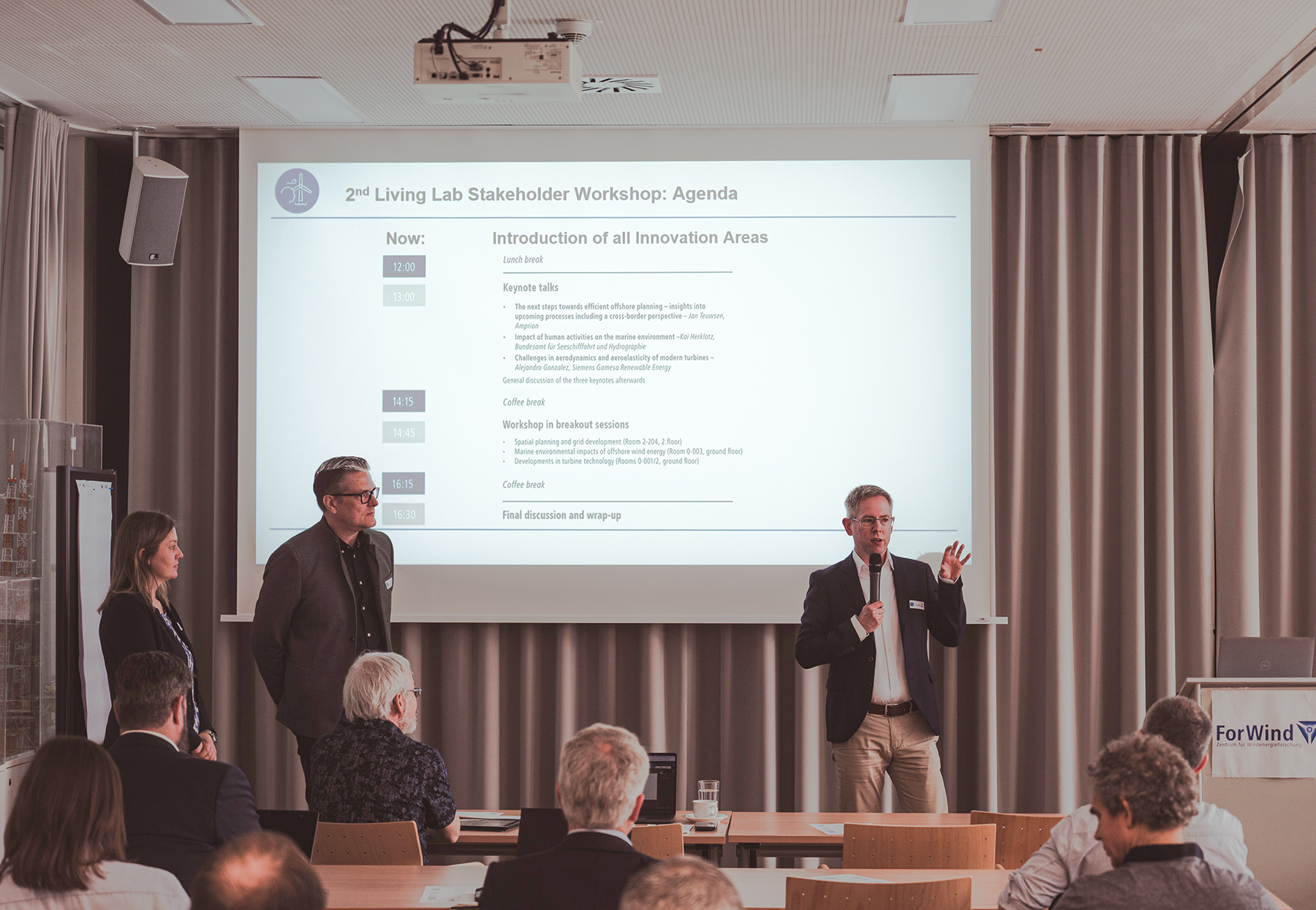
The event began with an introduction to the living lab and a presentation of all five areas of innovation by representatives of the participating research institutions. Among other things, the presentations covered papers submitted to scientific conferences in recent months and shared initial findings from the extensive and unique measurement campaigns.
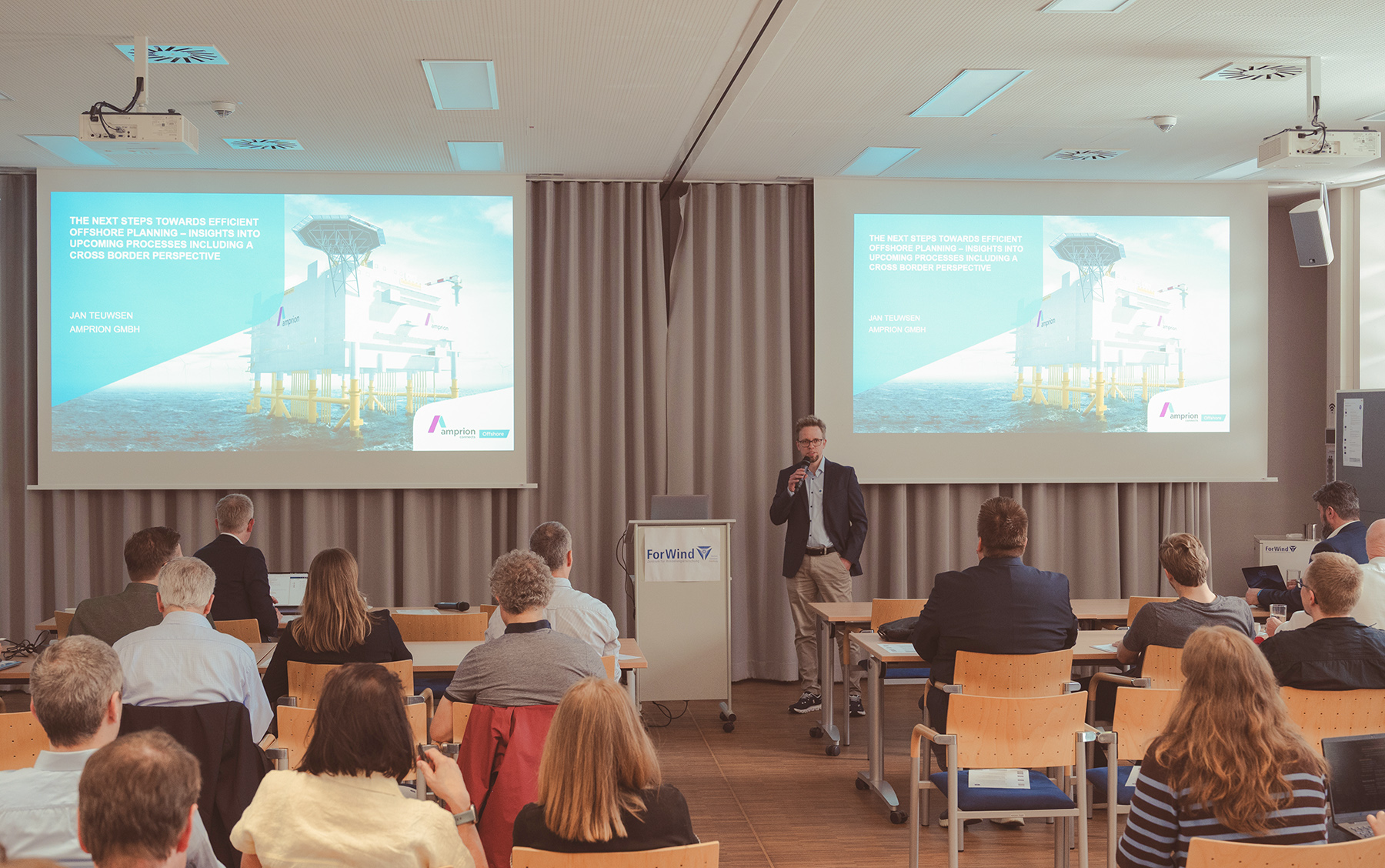
This was followed by three keynote presentations that explored social, planning, and technological perspectives: Jan Teuwsen (Amprion) provided insights into the next steps in offshore planning from a cross-border perspective, Kai Herklotz from the Federal Maritime and Hydrographic Agency spoke about the impact of human activities on the marine environment, and Alejandro Gonzalez from Siemens Gamesa Renewable Energy presented challenges in the aerodynamics and aeroelasticity of modern turbines.
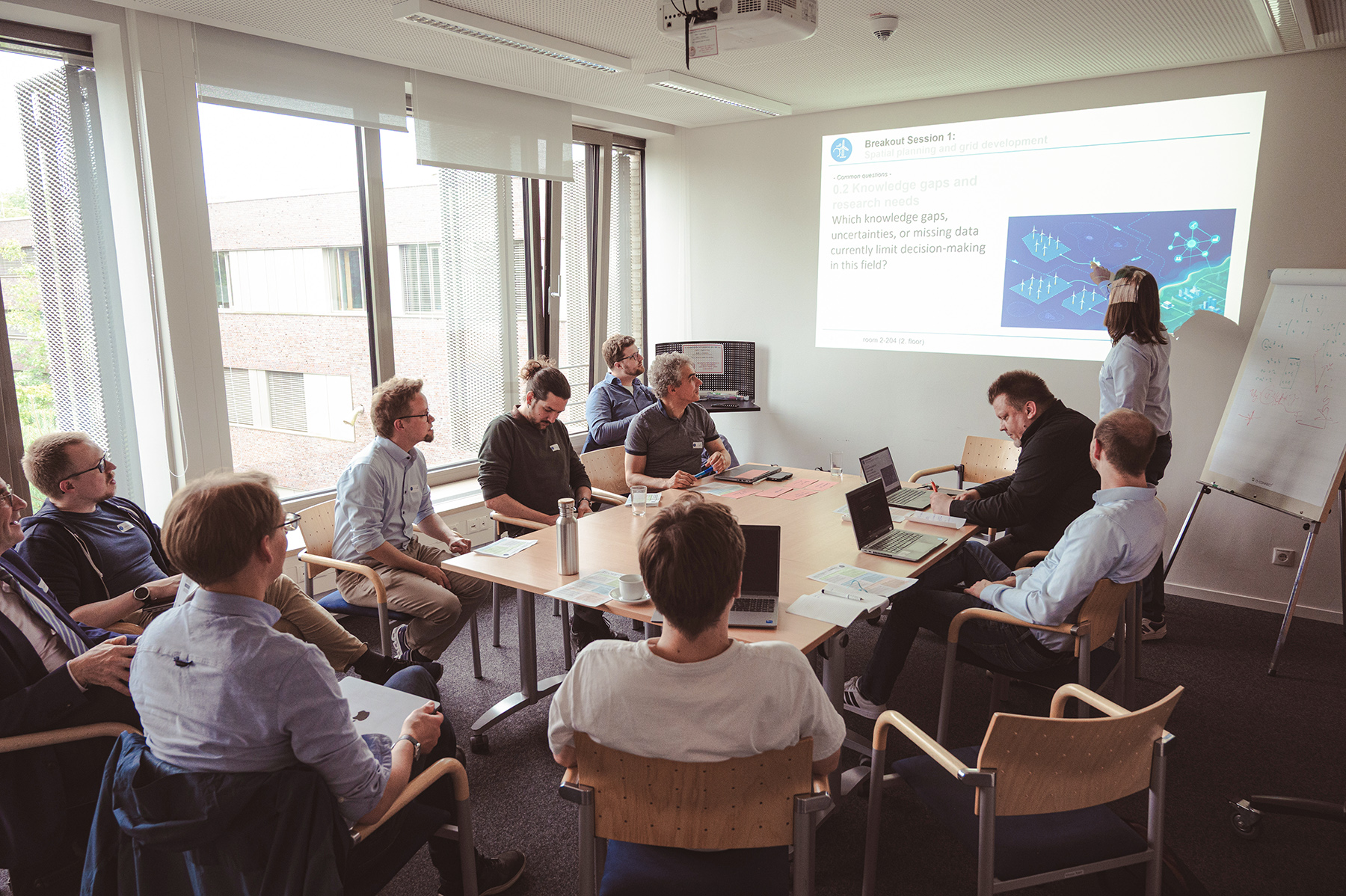
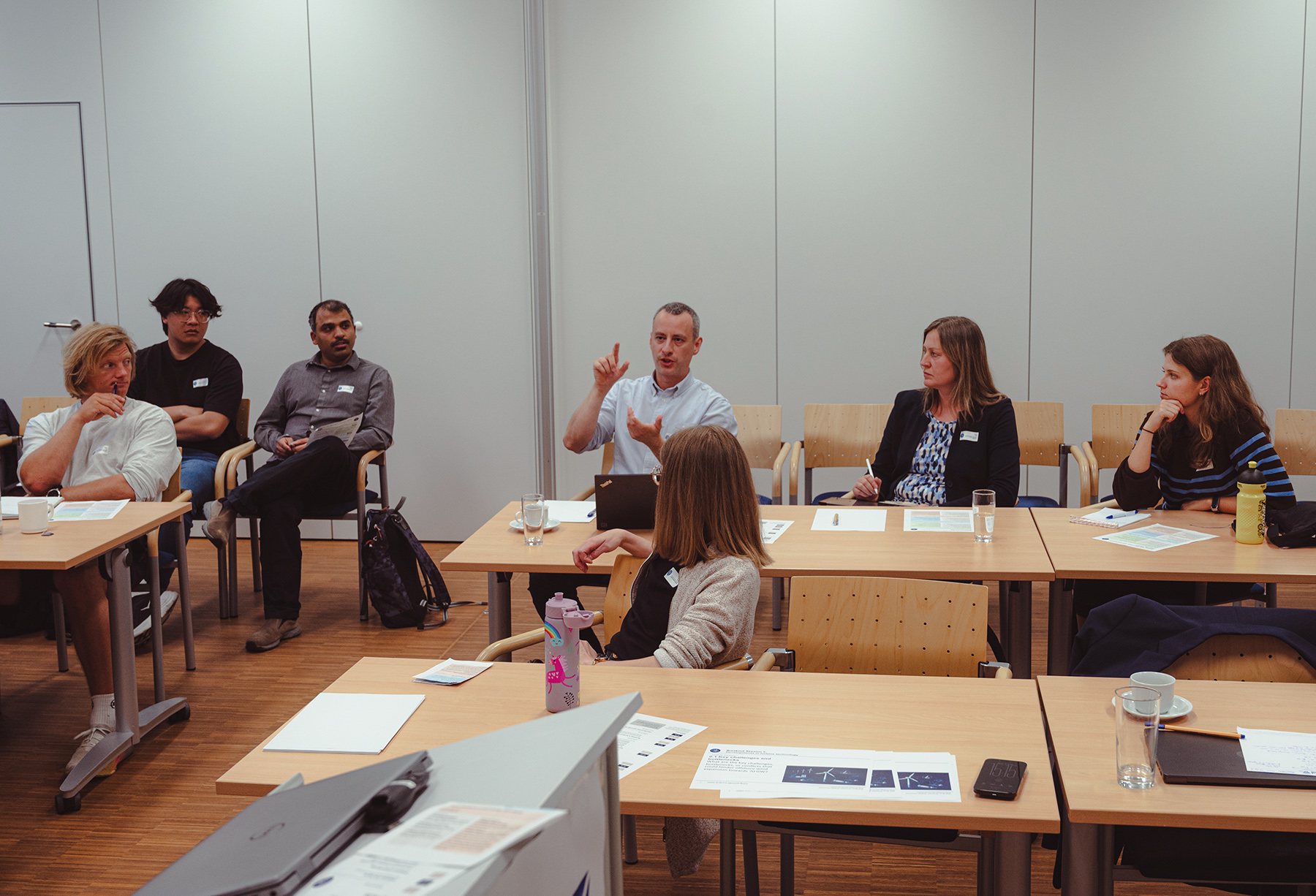
In three parallel breakout sessions, participants delved deeper into discussions on the topics of maritime spatial planning and network development, the marine environmental impacts of offshore wind energy, and developments in turbine technology. A concluding plenary discussion summarized the key findings and perspectives from the working groups.
The workshop is part of the transdisciplinary approach of the living lab, which shapes research and practice in dialogue with societal actors. Stakeholder workshops serve a dual purpose in a living lab: Not only do they facilitate the transfer of research findings into practice, but they are also central elements of co-design and co-evaluation—that is, the processes through which practical knowledge feeds into research and, together with the participating stakeholders, determines how specific research questions should be further developed.
RL_Stakeholder_2026_6
RL_Stakeholder_2026_1
RL_Stakeholder_2026_3
RL_Stakeholder_2026_4
RL_Stakeholder_2026_5