Reallabor 70GW Offshore Wind PhD Network
An interdisciplinary network for doctoral candidates and young postdocs
Young scientists play a central role in the living lab 70 GW Offshore Wind. With our PhD network, we are creating a space in which doctoral students from all innovation areas and sub-projects of the real-world laboratory can come together – across institutional and disciplinary boundaries. The network is not only aimed at current doctoral students, but is also open to postdocs who have completed their doctorate as part of the living lab in order to provide them with a continuous connection and professional development.
The aim is to support young researchers in successfully completing their doctorates, gaining new perspectives and engaging in an exchange with other experts at an early stage – and to continue this exchange in the postdoc phase.
What is important on the path to science
The PhD network brings together doctoral students from the universities of Oldenburg, Hanover and TU Braunschweig. By opening up to the first postdocs, a sustainable chain of young researchers is also being created to accompany the transition between the doctoral phase and further academic qualification.
Participants are given the opportunity to take part in regular online meetings and face-to-face meetings as part of the living lab events,
- present their own research questions and methods
- Identify technical interfaces between the innovation areas
- to work together on overarching issues in cross-cutting topics,
- develop soft skills and interdisciplinary competencies,
- exchange views on topics relating to academic career paths and the postdoc phase.
In this way, the network actively contributes to strengthening interdisciplinary approaches to wind energy research and training a new generation of experts.
The first PhD meeting: starting point for joint learning
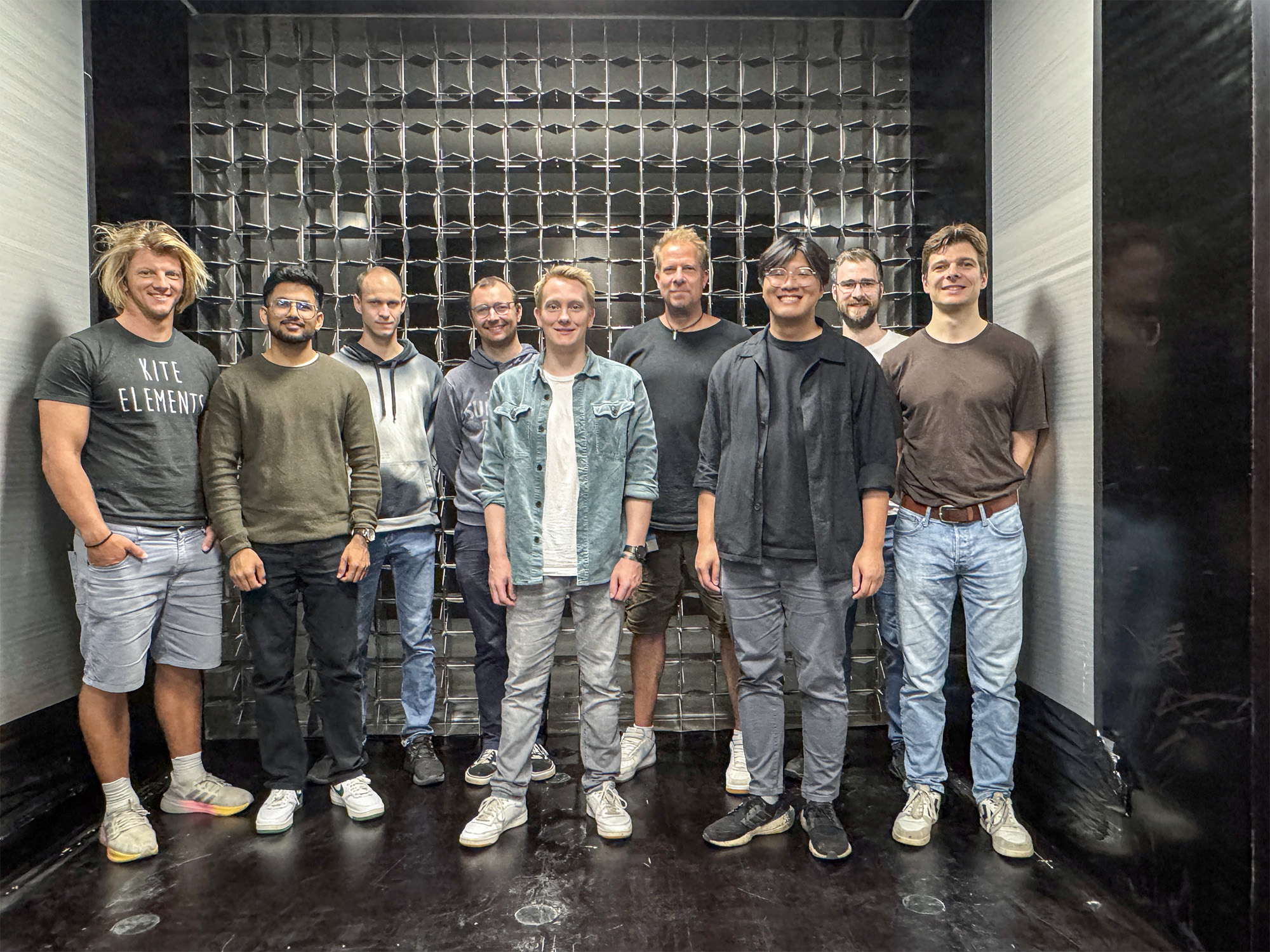
In September 2025, the first joint PhD meeting took place at the WindLab at the University of Oldenburg. PhD students from the participating universities presented their research projects, discussed methodological approaches and explored opportunities for future collaboration. The insights of the Oldenburg ForWind doctoral students into their experimental work in the turbulent wind tunnel were particularly impressive, illustrating the practical relevance and technical depth of research in the living lab.
There was also plenty of opportunity for personal exchange: a joint barbecue evening provided an opportunity to deepen contacts and create an open, trusting working atmosphere. On the second day, the participants also received an introduction to the basics of science communication – a core element of the living lab and an important part of scientific practice.

